I've watched property managers carry around six keys just to check on a single maintenance issue. They fumble through their keyring, trying each one until something finally turns the lock. Meanwhile, they can't tell you how many copies of those keys exist in the wild.
This isn't just inconvenient. It's expensive.
The real problem with traditional keying in multi-tenant buildings is key control—or more accurately, the complete lack of it. Property managers hand out keys to contractors, maintenance staff, and previous tenants. Those keys get duplicated at any hardware store. When someone returns a key, you have no idea if they made three copies first.
You're essentially hoping nobody uses those unauthorized copies for anything problematic.
The Hidden Cost of Poor Key Management
Emergency lockouts cost $100–$300 during off-hours.
Rekeying a single lock runs $30–$100.
Multiply that across a multi-tenant building where keys go missing regularly, and you're looking at thousands in reactive costs every year.
But the financial impact goes deeper than locksmith bills.
Tenant turnover directly connects to security concerns. When tenants feel unsafe, they leave. Unresolved security issues lead to:
- Higher vacancy rates
- Lower rents
- Increased liability
Most property managers discover this too late — after an incident or a tenant complaint.

How Master Key Systems Actually Work
A well-designed master key system creates a hierarchy of access, like permission levels.
Grand Master Key
Opens every lock in the building.
Sub-master Keys
Open groups of doors (all common areas, all mechanical rooms, etc.).
User Keys
Open individual units or specific doors only.
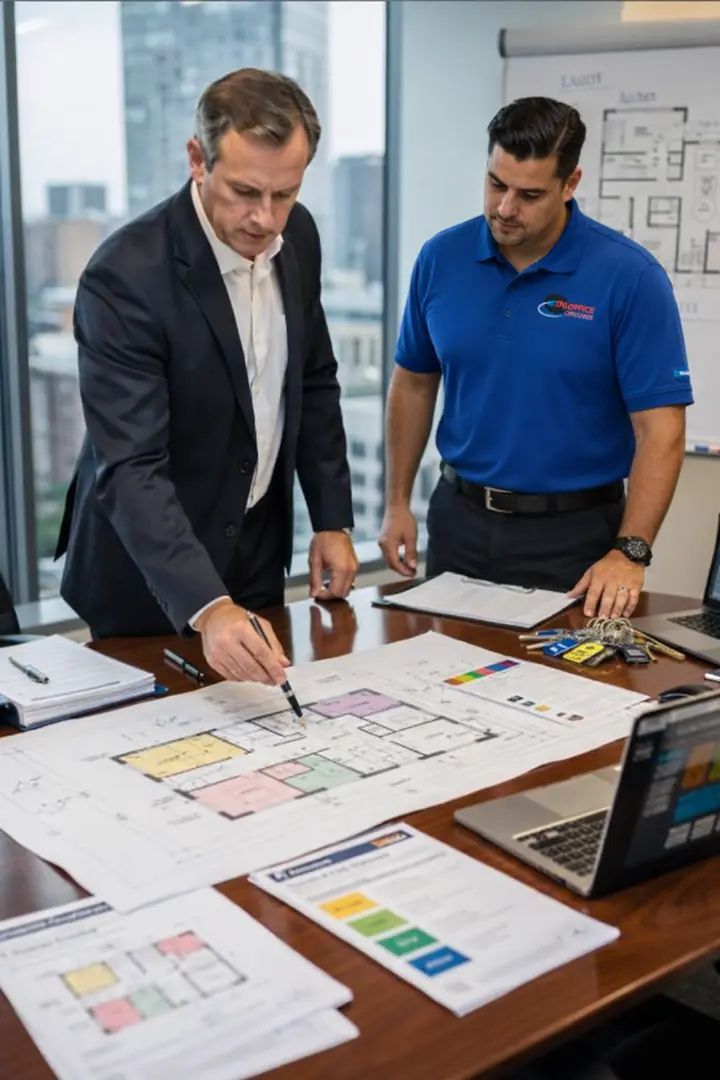
You start by defining user groups (property managers, cleaners, contractors) and door groups (electrical rooms, tenant units, storage areas).
Then a locksmith builds a structured system around those relationships.
Everyone gets exactly the access they need—nothing more.
The Planning Framework That Prevents Problems
Most master key failures happen during design, long before installation.
Property managers often skip the audit. They don’t map out roles. They don’t leave room for the system to grow.
A proper assessment asks:
- Who needs access?
- Where do they need access?
- What happens when things change?
The most common mistake?
Not leaving enough expansion capacity.
When a key goes missing, you should be able to reassign positions without rekeying the entire building.
Rekey vs. Replace: The Decision Tree
You may not need new locks.
But many buildings mix brands over the years—Schlage, Weiser, Kwikset—which makes master keying impossible.
Keyways must match.
A locksmith will:
- Inventory existing locks
- Check compatibility
- Identify worn or low-grade hardware
- Recommend standardization when needed
Sometimes rekeying is enough.
Sometimes replacing gets you long-term reliability and system integrity.
Restricted Keys: The Key Control Solution
Standard keys can be duplicated anywhere.
Restricted keys cannot.
Only the issuing locksmith or manufacturer can make copies — and only with documented authorization.
This fixes the core issue:
- You know exactly how many keys exist
- No unauthorized duplication
- Real key control and accountability
Property managers suddenly gain full visibility into their security.
The Hybrid Approach: Mechanical + Electronic
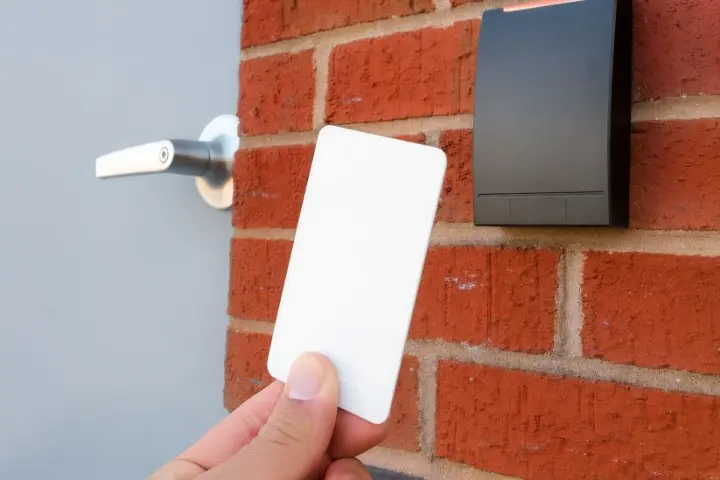
Electronic access control doesn't replace master key systems — they complement each other.
Use electronic access for:
- Main entrances
- High-traffic doors
- Areas where tracking matters
- Spaces with frequent tenant turnover
Use mechanical keys for:
- Mechanical rooms
- Maintenance doors
- Interior areas needing reliable backups
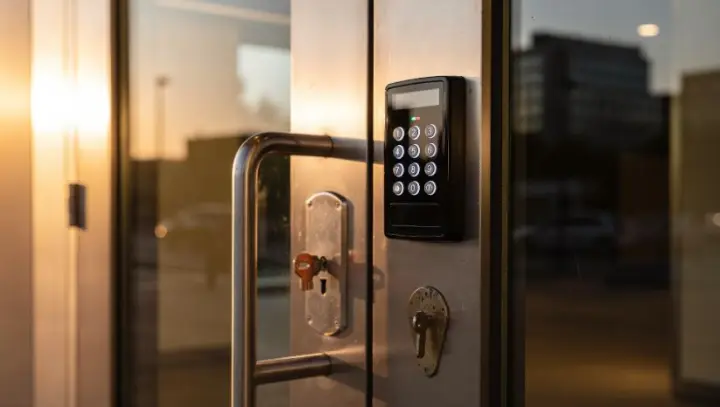
Power fails. Systems glitch.
Mechanical override is non-negotiable.
The hybrid model gives you flexibility, resilience, and total access control.
Long-Term ROI: The Numbers Property Managers Miss
A master key system reduces:
- Emergency lockouts
- Rekey costs
- Tenant turnover
- Wear on hardware
- Operational inefficiency
The system pays for itself long before the 10-year lifecycle ends.
The Maintenance Reality Nobody Mentions
A master key system isn’t “install and forget.”
You need:
- Key tracking
- Secure storage
- Controlled issuing
- Documented returns
- Periodic audits
- Full system refresh every 10 years
Most buildings go 20+ years without rekeying.
When asked how many master keys exist, property managers look nervous.
That's not security. That's hope.
Choosing the Right Locksmith
Because this system controls access to every tenant space, the locksmith must be:
- Bonded and insured
- Licensed
- Experienced in commercial multi-tenant systems
- Well-reviewed or recommended
A qualified locksmith will audit thoroughly, ask detailed questions, and design a system built for growth — not a quick fix.

What Property Managers Get Wrong
The biggest misconception:
“A master key system is a one-time project.”
It’s not.
It’s living security infrastructure.
You need:
- Strong initial design
- Ongoing key control
- Periodic updates
- Lifecycle refresh
Managers who treat it this way get consistent, long-term security.
Managers who don’t watch the system slowly fail.
The Bottom Line
Poor key management costs more than most property managers realize.
A properly designed master key system:
- Eliminates rekey chaos
- Reduces emergency calls
- Improves tenant satisfaction
- Cuts long-term costs
- Strengthens building security
- Simplifies your operations
But it only works when you:
- Map user groups
- Map door groups
- Use restricted keys
- Track key inventory
- Partner with a qualified locksmith
- Refresh every decade
That's how you build a master key system that actually works—for tenants, staff, and your bottom line.

Need a master key system that actually works?
Call 310-LOCK (310-5625) for professional building audits, system design, and secure key control solutions.
Trusted, licensed, and experienced in multi-tenant and commercial security across Calgary.
Streamline access. Strengthen security. Protect your property.